

Key Takeaways
- The Bouncer on PS2, released in 2000, connects to Kingdom Hearts through its characters and storytelling.
- Many key developers of The Bouncer transitioned to Kingdom Hearts, including Tetsuya Nomura and Shinji Hashimoto.
- Character designs from The Bouncer, like Sion, influenced the visual style of Kingdom Hearts, reflecting a shared aesthetic.
- Cinematic storytelling in The Bouncer set a precedent for the gameplay and narrative techniques later refined in Kingdom Hearts.
- Despite mixed reviews, The Bouncer’s ideas and core team significantly shaped the success of Kingdom Hearts, a major franchise.
The Bouncer PS2 and its connection to Kingdom Hearts
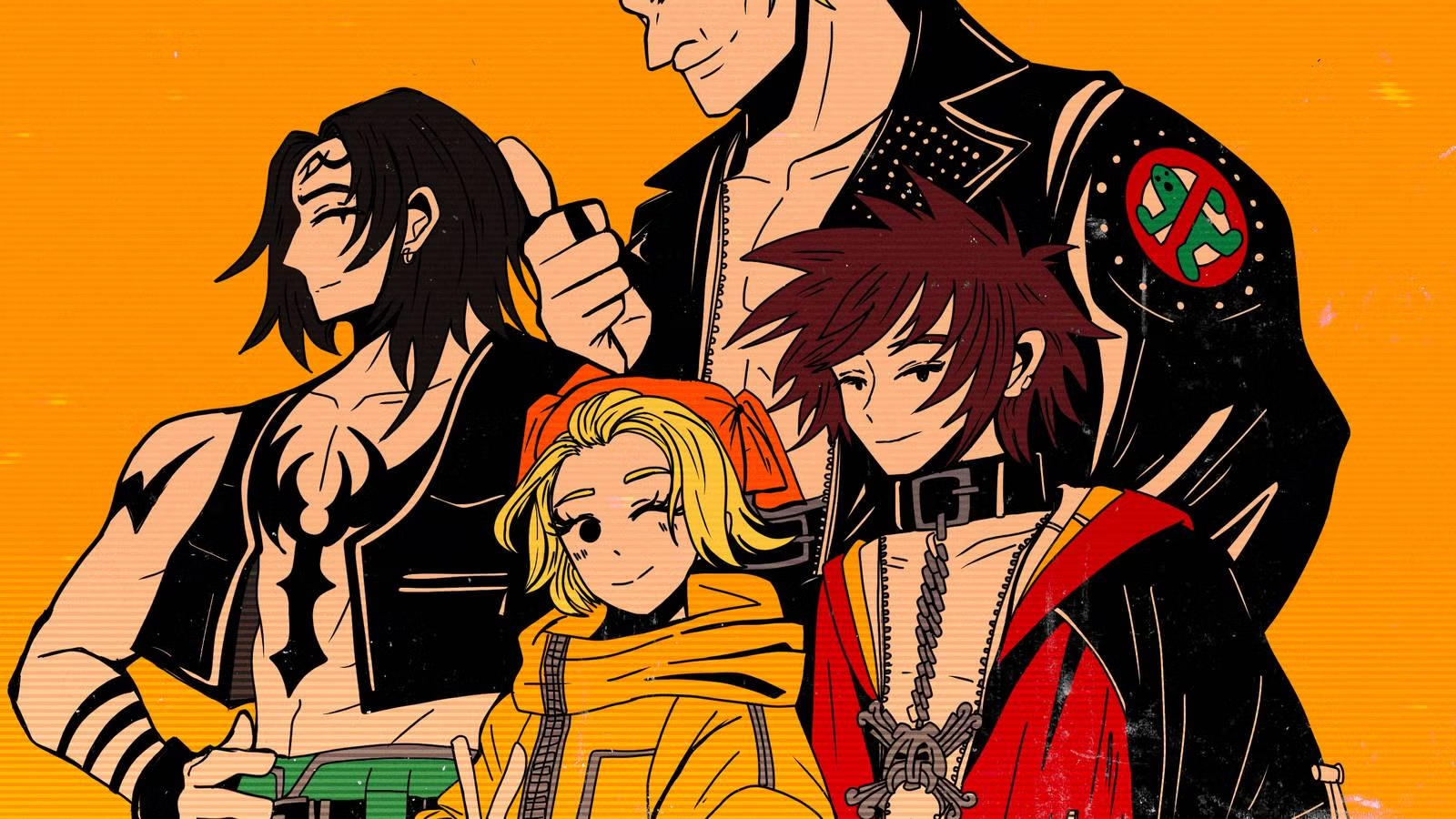
The article explores how The Bouncer on PS2 connects to Kingdom Hearts. Released in 2000, the game was developed by Square as one of its early projects for the new console. It mixed action-based combat with a strong focus on cinematic storytelling. The story follows three playable characters who work as nightclub bouncers in a fictional city. Their journey begins after a friend is kidnapped. Each character offers a slightly different version of the same events.
The team that bridged The Bouncer and Kingdom Hearts
Many of the people behind The Bouncer later played key roles in Kingdom Hearts. Tetsuya Nomura handled character design, while Shinji Hashimoto served as producer and Takashi Tokita contributed to direction. After this project, Nomura stepped into a bigger role and became the director of Kingdom Hearts. Several team members made the same transition, carrying their experience with them. In many ways, The Bouncer acted as a starting point for this group before they moved on to a larger, more successful title.
Shared character design and visual style
The connection between the two games is especially clear in their character designs. Nomura drew inspiration from early 2000s fashion, giving characters bold outfits and stylized looks. Sion, the main character in The Bouncer, closely resembles Sora from Kingdom Hearts. They share similar facial features, spiky hair, and expressive designs. These visual choices didn’t stay in one game—they became part of Nomura’s signature style and carried over into Kingdom Hearts.
Influence on gameplay and presentation
The Bouncer leaned heavily on cinematic presentation. It used frequent cutscenes and real-time storytelling to move the plot forward. Gameplay and narrative were tightly connected, even if the balance wasn’t perfect. This structure later showed up in Kingdom Hearts, where those same ideas were refined and expanded. The earlier game served as a testing ground for blending action and story in a seamless way.
The lasting impact of The Bouncer
At launch, The Bouncer received mixed reviews. Critics pointed out its short length and limited gameplay depth, and it didn’t meet sales expectations. Still, its influence carried forward. Many of its ideas, along with its core team, shaped the development of Kingdom Hearts, which released in 2002 and became a major success. While The Bouncer didn’t become a hit, it remains an important stepping stone that helped define the direction of a much larger franchise.
Source: https://www.polygon.com/bouncer-ps2-kingdom-hearts-sora/
